
What Is Market Sentiment in Trading?
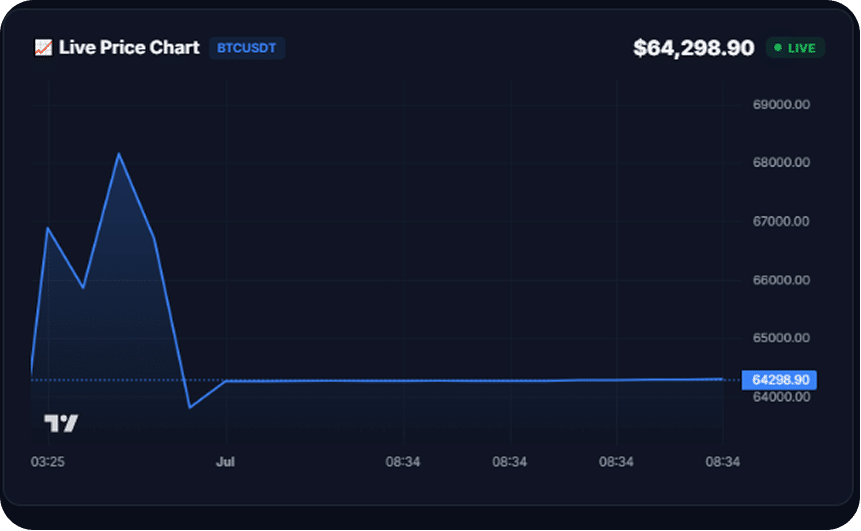
Ask ten traders what market sentiment means and you’ll get ten different answers, half of them wrong. Market sentiment in trading is the overall mood of the crowd toward an asset: bullish, bearish, or stretched somewhere in between. It isn’t a chart pattern and it isn’t fundamental. It’s the collective emotional and positional lean of every trader in the market at a given moment. And whether you trade crypto, forex, or both, sentiment moves price before the reasons why ever make it into a headline.
This guide breaks down what market sentiment actually means, how sentiment analysis in trading works in practice, and why the way most people measure it is quietly costing them money.
What Market Sentiment Actually Means
Every price on every chart is the result of buyers and sellers agreeing on a number. Market sentiment is what’s happening underneath that agreement: how many people are bullish, how many are bearish, and how strongly they believe it. When sentiment is balanced, price tends to chop sideways. When sentiment gets one-sided, price tends to trend hard in one direction, right up until the crowd runs out of people left to convince.
This is different from technical analysis, which studies price and volume after the fact, and different from fundamental analysis, which studies the ‘why’ behind an asset’s value. Sentiment sits in between: it’s a read on crowd psychology in real time, and it’s often the missing layer that explains why a chart moves before a fundamental catalyst even lands.
Why Sentiment Moves Price Before the News Does
Markets are forward-looking. By the time a headline confirms what happened, the traders with the fastest information and the biggest positions have usually already moved. That’s not an accident, it’s how price discounting works. Positioning builds quietly in the background as sentiment shifts, and the ‘surprise’ news event is often just the moment the rest of the crowd catches up.
This is exactly why sentiment trading exists as a discipline. If you can see how the crowd is positioned — not what they’re saying, but where their money actually is, you get a read on the market’s next move before it shows up on a candlestick chart.
The 3 Ways Traders Actually Measure Sentiment
1. Social Sentiment
Tools that scrape Twitter, Reddit, and Telegram for bullish/bearish language and turn it into a score. Fast to update, useful for spotting hype cycles, but noisy and studies of tweet-volume lag consistently show social sentiment trailing price by hours, not leading it.
2. Composite Sentiment Indexes
Blended scores like the Fear & Greed Index combine momentum, volatility, volume, and social data into a single 0–100 reading. Useful as a temperature check on the overall market, but they’re usually asset-class-specific (crypto-only, most commonly) and don’t tell you which specific pair or coin is crowded.
3. Broker Order Flow & Positioning Data
This is the least talked-about method and the most reliable one: real long/short positioning data aggregated from broker platforms. It’s not opinion, it’s actual capital committed to a direction. Retail positioning extremes (say, 80%+ of accounts long on a pair) have historically been one of the more dependable contrarian signals in both forex and crypto, precisely because it measures conviction with money behind it, not conviction with a keyboard behind it.
Market Sentiment in Crypto vs Forex. What Changes?
Crypto sentiment is driven heavily by retail narrative: social hype, influencer calls, and meme-driven momentum move fast and hard, which is why crypto sentiment swings from extreme fear to extreme greed in days, not weeks. Forex sentiment is shaped more by macro data, central bank positioning, and institutional order flow, so it tends to build and unwind more gradually, but the crowding effect at extremes is just as real.
The two aren’t unrelated, either. Risk-on and risk-off cycles connect crypto and forex sentiment more often than most traders realize, a risk-off shift in forex majors frequently shows up in crypto within the same session. Traders who only watch one asset class are missing half the picture, which is exactly the gap a cross-asset sentiment view is built to close.
How to Read Extreme Sentiment Without Getting Burned
- Extreme sentiment is a fuel-exhaustion signal, not a timing signal. 85% long doesn’t mean ‘short now’ it means the pool of new buyers is shrinking.
- Sentiment works best combined with price action and structure, not as a standalone trigger. A crowded trade can stay crowded longer than you’d expect before it turns.
- Beginners’ most common mistake with sentiment data is fading every extreme mechanically. Sentiment tells you where the risk is loaded, it doesn’t tell you exactly when the trigger fires.
- The best use of sentiment data isn’t calling tops and bottoms. It’s risk management: knowing when your own bias matches an already-crowded trade.
Where Crowdsent.ai Fits In
Most sentiment tools force a choice: social-data speed with social-data noise, or a single-asset-class index that ignores half your portfolio. Crowdsent.ai was built on real-time broker order flow — not delayed tweets — across both crypto and forex in one cross-asset dashboard, with AI-filtered news layered on top so you see what actually moved the market, not everything that was said about it. If you’ve read this far, you already understand sentiment better than most retail traders. The waitlist is open, and early access includes a 50% lifetime discount.
Frequently Asked Questions
Is market sentiment the same as technical analysis?
No. Technical analysis studies price and volume history to identify patterns. Market sentiment measures the current mood and positioning of the crowd, it’s a separate data layer that often explains why a technical pattern is about to break or hold.
What is a good sentiment indicator for beginners?
Start with a composite index like the Fear & Greed Index to get comfortable reading extremes, then graduate to positioning-based data (long/short ratios, broker order flow) once you understand how crowding works, it’s a more reliable signal than social-sentiment scores alone.
Can sentiment data predict price movements?
Sentiment data doesn’t predict price with certainty, nothing does. What it does well is flag when a trade has become crowded and reversal risk is building, which is valuable for risk management even when it’s not used as a standalone entry trigger.
Is crypto sentiment different from forex sentiment?
The underlying psychology is the same, but crypto sentiment moves faster and is more social-media-driven, while forex sentiment is shaped more by macro data and institutional positioning. A cross-asset view captures both instead of forcing you to track them separately.

The future of trading intelligence. Real-time sentiment, broker data, and market insights all in one powerful platform.
Contact: info@crowdsent.ai
Disclaimer: Trading involves substantial risk of loss and is not suitable for all investors. Past performance is not indicative of future results. CrowdSent.ai provides information and tools for educational purposes only and does not provide investment advice. Always conduct your own research and consult with a qualified financial advisor before making trading decisions.
- Blogs
- Policy (coming soon)